We say in Shemone Esrei אלקי אברהם אלקי יצחק ואלקי יעקב. I'm not sure if the following question is a valid question or is just a grammatical rule but the truth or lack there of in a question doesn't change the vort. Why is a 'ו added before Yaakov's name. The same thing occurs in the words following, הגדול הגבור והנוראו, where a 'ו is only added before the last word. Many say that those three words correspond to the three Avos; again the 'ו is added to Yaakov's middah. Why does Yaakov get the additional 'ו?
The word vav as seen in its shaped as a hook represents the connection between heaven and earth. Its the representation of the ladder connecting these two worlds. As mentioned in this post, the three Avos correspond to the three Battei Mikdash. Avrohom is chesed, a heavenly השפאה that corresponds to the first Beis Hamikdash. The second one didn't have the same heavenly miracles, it was "earned" from below, corresponding to Yizchak, gevurah. It is the third Beis Hamikdash that will be the connection of both of these powers, which is Yaakov, tiferet. (See more about this here and in Machsavas Hachassidus by Rav Yoel Kahn Ch. 7-10.) That's why it is Yaakov that gets a vav before his name and attribute in Shemone Esrei for it is he that connects the strings of heavens and earth together. [It is of course noteworthy that Yaakov takes a vav to guarantee the final redemption as Rashi Bechukosai 26:42 says. Yaakov guarantees that the attachment between heaven and earth shall never be broken; hence he takes a vav.] This may be the intent of the Alter Rebbe in Torah Or Beshalach סב. where he says: ולכן כתיב הגדול הגבור והנורא שלהיות בחי׳ נורא צ״ל תחלה וי״ו
הוא בחי׳ המשכה מלמעלה למטה להיות בחי׳ נורא.
Thursday, December 5, 2019

Avos Prayers
Rashi (28:11) says ויפגע – לשון תפלה, כמו: אל תפגע בי (ירמיהו ז׳:ט״ז), למדנו שתיקן תפילת ערבית. This rounds out the three prayers of the day. Avrohom prayed Shacharis, Yitzchak prayed Mincha and Yaakov Arvit. The Gemorah in Berachot (26) brings a debate if the the tefillot are כנגד אבות או כנגד קרבנות. Yet the Gemorah (27b) brings Rav holds Maariv is a rishus. If the tefillot are כנגד קרבנות we understand since there was no korban at night, its only כנגד the fats that might have been offered at night. However, if tefillot are כנגד אבות, then why would it be a rishus? There are a few answers offered in the Achronim (see Torah Temimah, Nitziv on Shieltos 8, Pnei Yehoshua) and it boils down to that the prayer of Yaakov was only specific to the place and time and hence unfit to be a limud for future generations.
However, even though maariv is a reshus the Rishonim prove that it can't be a straight optional prayer for the Gemorah also says (26b) for missing maariv one must pray Shacharis twice. Why, you just chose not to pray? It must be its not a simple option. What exactly is it is a debate among the Rishonim. Here we will focus on the Rif's interpretation. He says that originally maariv was a reshus but then Klal Yisroel accepted it as an obligation. The Rambam Laws of Tefillah (1:6) seems to echo this view: וְאֵין תְּפִלַּת עַרְבִית חוֹבָה כִּתְפִלַּת שַׁחֲרִית וּמִנְחָה. וְאַף עַל פִּי כֵן נָהֲגוּ כָּל יִשְׂרָאֵל בְּכָל מְקוֹמוֹת מוֹשְׁבוֹתֵיהֶם לְהִתְפַּלֵּל עַרְבִית וְקִבְּלוּהָ עֲלֵיהֶם כִּתְפִלַּת חוֹבָה. However, later in Ch. 10 law 6 the Rambam says: מִי שֶׁהָיָה עוֹמֵד בִּתְפִלָּה וְנִזְכַּר שֶׁכְּבָר הִתְפַּלֵּל פּוֹסֵק וַאֲפִלּוּ בְּאֶמְצַע בְּרָכָה. וְאִם הָיְתָה תְּפִלַּת עַרְבִית אֵינוֹ פּוֹסֵק שֶׁלֹּא הִתְפַּלֵּל אוֹתָהּ מִתְּחִלָּה אֶלָּא עַל דַּעַת שֶׁאֵינָהּ חוֹבָה. If maariv became adapted as obligatory then why does the Rambam say the person is davening a mere תפילת נדבה? Reb Chayim explains that the Rambam is indeed distinct from the Rif. In the Rif's eyes, the prayer of maariv became accepted as an obligatory prayer and the prayer now has the same status as that of Shacharis or Mincha. However in the Rambam's eyes, yes, the obligation on the individual is equal to that of the other prayers, but the חפצא of the prayer remains a תפילת נדבה. This is what the Rambam means in 1:6 that its not an obligation like the other prayers, the individual must pray, but the prayer itself is defined as a נדבה.
The Rambam Laws of Tefillah (1:5-6) וְכֵן תִּקְּנוּ שֶׁיְּהֵא מִנְיַן הַתְּפִלּוֹת כְּמִנְיַן הַקָּרְבָּנוֹת. שְׁתֵּי תְּפִלּוֹת בְּכָל יוֹם כְּנֶגֶד שְׁנֵי תְּמִידִין. וְכָל יוֹם שֶׁיֵּשׁ קָרְבַּן מוּסָף תִּקְּנוּ בּוֹ תְּפִלָּה שְׁלִישִׁית כְּנֶגֶד קָרְבַּן מוּסָף. וּתְפִלָּה שֶׁהִיא כְּנֶגֶד תָּמִיד שֶׁל בֹּקֶר הִיא הַנִּקְרֵאת תְּפִלַּת הַשַּׁחַר. וּתְפִלָּה שֶׁכְּנֶגֶד תָּמִיד שֶׁל בֵּין הָעַרְבַּיִם הִיא הַנִּקְרֵאת תְּפִלַּת מִנְחָה וּתְפִלָּה שֶׁכְּנֶגֶד הַמּוּסָפִין הִיא נִקְרֵאת תְּפִלַּת הַמּוּסָפִין: וְכֵן הִתְקִינוּ שֶׁיְּהֵא אָדָם מִתְפַּלֵּל תְּפִלָּה אַחַת בַּלַּיְלָה שֶׁהֲרֵי אֵיבְרֵי תָּמִיד שֶׁל בֵּין הָעַרְבַּיִם מִתְעַכְּלִין וְהוֹלְכִין כָּל הַלַּיְלָה שֶׁנֶּאֱמַר (ויקרא ו ב) ״הִיא הָעֹלָה״ וְגוֹ׳, כָּעִנְיָן שֶׁנֶּאֱמַר (תהילים נה יח) ״עֶרֶב וָבֹקֶר וְצָהֳרַיִם אָשִׂיחָה וְאֶהֱמֶה וַיִּשְׁמַע קוֹלִי״. וְאֵין תְּפִלַּת עַרְבִית חוֹבָה כִּתְפִלַּת שַׁחֲרִית וּמִנְחָה. וְאַף עַל פִּי כֵן נָהֲגוּ כָּל יִשְׂרָאֵל בְּכָל מְקוֹמוֹת מוֹשְׁבוֹתֵיהֶם לְהִתְפַּלֵּל עַרְבִית וְקִבְּלוּהָ עֲלֵיהֶם כִּתְפִלַּת חוֹבָה: He says the times of prayer are patterened after the korbanot. however in the Laws of Kings (9:1) he says בָּא אַבְרָהָם וְנִצְטַוָּה יֶתֶר עַל אֵלּוּ בְּמִילָה. וְהוּא הִתְפַּלֵּל שַׁחֲרִית. וַיִּצְחָק הִפְרִישׁ מַעֲשֵׂר וְהוֹסִיף תְּפִלָּה אַחֶרֶת לִפְנוֹת הַיּוֹם. וְיַעֲקֹב הוֹסִיף גִּיד הַנָּשֶׁה וְהִתְפַּלֵּל עַרְבִית. It appears from this Rambam that the obligation of the prayer times is derived from the Avos; which one is it, korbanot or Avos?
Rav Solevetchik explains the Rambam as follows. There is no open possuk that says one must pray to Hashem, the Rambam says at the beginning of the Laws of Tefillah מִצְוַת עֲשֵׂה לְהִתְפַּלֵּל בְּכָל יוֹם שֶׁנֶּאֱמַר (שמות כג כה) ״וַעֲבַדְתֶּם אֵת ה׳ אלקיכם מִפִּי הַשְּׁמוּעָה לָמְדוּ שֶׁעֲבוֹדָה זוֹ הִיא תְּפִלָּה שֶׁנֶּאֱמַר (דברים יא יג) ״וּלְעָבְדוֹ בְּכָל לְבַבְכֶם״ אָמְרוּ חֲכָמִים אֵי זוֹ הִיא עֲבוֹדָה שֶׁבַּלֵּב זוֹ תְּפִלָּה. It is from the Avos that we derive that the fulfillment of ועבדתם את ה' לבבכם is through tefillah. However, they didn't establish specific times to fulfill this obligation. It is the korbanot that we derive the exact times of prayer.
Rav Kook explains the machlokes if the prayers are established based upon the prayers of the Avos or korbanot as follows: השלמת העבודה השלמה תהי' ע"י שישתלם האדם תחלה בשלימות עצמו, לפי טבע נפשו הישרה להיות דבק באלהים חיים בכל לב ונפש, שזו היא באמת גם יסוד ההערה השכלית שזכרה בחוה"ל שער עבודת האלהים. אמנם תכלית העבודה תבא בהיותה חוזרת אח"כ לעבודת כלל ישראל, וחוזרת בסוף הימים לתיקון עולם במלכותו ית'. והתפילה מחוברת באמת מרגשי לב טבעיים, להשתפך נפש כל אדם לפני יוצרו, גם היא בנוי' ברובה על ענינים לאומיים הנוגעים להשלמת כלל עם ד'. הגאולה, השבת השופטים, צמיחת קרן לדוד, בנין ירושלים, השבת העבודה לציון. צריך התבוננות על איזה מרכז נוסדה אם השתפכות הנפש הפרטית היא בה היסוד והתוצאות הלאומיות מאיליהם תבאנה, או שעיקר יסודה היא השלימות של העבודה הלאומית, שמתלקטת מטהרת לבו של כל יחיד. והנה האבות שהיו עובדי ד' בעוד לא היתה האומה הישראלית בעולם, ועיקר ההדרכה האנושית שהיתה לשעתם, היתה עבודת ד' הפרטית בלא קישור לאומי. אמנם התמידין המה עבודת ד' של ציבור כללי משותף לכלל ישראל. ע"כ ח"א אבות תקנום, כנגד רוממות הנפש הפרטית שלעולם היא דרושה לכל יחיד לשלימות עבודתו, וח"א כנגד תמידין תקנום, בסדר ותכלית עבודת ד' כללית שמקורה ביסוד ותכלית עבודת כלל ישראל.
However, even though maariv is a reshus the Rishonim prove that it can't be a straight optional prayer for the Gemorah also says (26b) for missing maariv one must pray Shacharis twice. Why, you just chose not to pray? It must be its not a simple option. What exactly is it is a debate among the Rishonim. Here we will focus on the Rif's interpretation. He says that originally maariv was a reshus but then Klal Yisroel accepted it as an obligation. The Rambam Laws of Tefillah (1:6) seems to echo this view: וְאֵין תְּפִלַּת עַרְבִית חוֹבָה כִּתְפִלַּת שַׁחֲרִית וּמִנְחָה. וְאַף עַל פִּי כֵן נָהֲגוּ כָּל יִשְׂרָאֵל בְּכָל מְקוֹמוֹת מוֹשְׁבוֹתֵיהֶם לְהִתְפַּלֵּל עַרְבִית וְקִבְּלוּהָ עֲלֵיהֶם כִּתְפִלַּת חוֹבָה. However, later in Ch. 10 law 6 the Rambam says: מִי שֶׁהָיָה עוֹמֵד בִּתְפִלָּה וְנִזְכַּר שֶׁכְּבָר הִתְפַּלֵּל פּוֹסֵק וַאֲפִלּוּ בְּאֶמְצַע בְּרָכָה. וְאִם הָיְתָה תְּפִלַּת עַרְבִית אֵינוֹ פּוֹסֵק שֶׁלֹּא הִתְפַּלֵּל אוֹתָהּ מִתְּחִלָּה אֶלָּא עַל דַּעַת שֶׁאֵינָהּ חוֹבָה. If maariv became adapted as obligatory then why does the Rambam say the person is davening a mere תפילת נדבה? Reb Chayim explains that the Rambam is indeed distinct from the Rif. In the Rif's eyes, the prayer of maariv became accepted as an obligatory prayer and the prayer now has the same status as that of Shacharis or Mincha. However in the Rambam's eyes, yes, the obligation on the individual is equal to that of the other prayers, but the חפצא of the prayer remains a תפילת נדבה. This is what the Rambam means in 1:6 that its not an obligation like the other prayers, the individual must pray, but the prayer itself is defined as a נדבה.
The Rambam Laws of Tefillah (1:5-6) וְכֵן תִּקְּנוּ שֶׁיְּהֵא מִנְיַן הַתְּפִלּוֹת כְּמִנְיַן הַקָּרְבָּנוֹת. שְׁתֵּי תְּפִלּוֹת בְּכָל יוֹם כְּנֶגֶד שְׁנֵי תְּמִידִין. וְכָל יוֹם שֶׁיֵּשׁ קָרְבַּן מוּסָף תִּקְּנוּ בּוֹ תְּפִלָּה שְׁלִישִׁית כְּנֶגֶד קָרְבַּן מוּסָף. וּתְפִלָּה שֶׁהִיא כְּנֶגֶד תָּמִיד שֶׁל בֹּקֶר הִיא הַנִּקְרֵאת תְּפִלַּת הַשַּׁחַר. וּתְפִלָּה שֶׁכְּנֶגֶד תָּמִיד שֶׁל בֵּין הָעַרְבַּיִם הִיא הַנִּקְרֵאת תְּפִלַּת מִנְחָה וּתְפִלָּה שֶׁכְּנֶגֶד הַמּוּסָפִין הִיא נִקְרֵאת תְּפִלַּת הַמּוּסָפִין: וְכֵן הִתְקִינוּ שֶׁיְּהֵא אָדָם מִתְפַּלֵּל תְּפִלָּה אַחַת בַּלַּיְלָה שֶׁהֲרֵי אֵיבְרֵי תָּמִיד שֶׁל בֵּין הָעַרְבַּיִם מִתְעַכְּלִין וְהוֹלְכִין כָּל הַלַּיְלָה שֶׁנֶּאֱמַר (ויקרא ו ב) ״הִיא הָעֹלָה״ וְגוֹ׳, כָּעִנְיָן שֶׁנֶּאֱמַר (תהילים נה יח) ״עֶרֶב וָבֹקֶר וְצָהֳרַיִם אָשִׂיחָה וְאֶהֱמֶה וַיִּשְׁמַע קוֹלִי״. וְאֵין תְּפִלַּת עַרְבִית חוֹבָה כִּתְפִלַּת שַׁחֲרִית וּמִנְחָה. וְאַף עַל פִּי כֵן נָהֲגוּ כָּל יִשְׂרָאֵל בְּכָל מְקוֹמוֹת מוֹשְׁבוֹתֵיהֶם לְהִתְפַּלֵּל עַרְבִית וְקִבְּלוּהָ עֲלֵיהֶם כִּתְפִלַּת חוֹבָה: He says the times of prayer are patterened after the korbanot. however in the Laws of Kings (9:1) he says בָּא אַבְרָהָם וְנִצְטַוָּה יֶתֶר עַל אֵלּוּ בְּמִילָה. וְהוּא הִתְפַּלֵּל שַׁחֲרִית. וַיִּצְחָק הִפְרִישׁ מַעֲשֵׂר וְהוֹסִיף תְּפִלָּה אַחֶרֶת לִפְנוֹת הַיּוֹם. וְיַעֲקֹב הוֹסִיף גִּיד הַנָּשֶׁה וְהִתְפַּלֵּל עַרְבִית. It appears from this Rambam that the obligation of the prayer times is derived from the Avos; which one is it, korbanot or Avos?
Rav Solevetchik explains the Rambam as follows. There is no open possuk that says one must pray to Hashem, the Rambam says at the beginning of the Laws of Tefillah מִצְוַת עֲשֵׂה לְהִתְפַּלֵּל בְּכָל יוֹם שֶׁנֶּאֱמַר (שמות כג כה) ״וַעֲבַדְתֶּם אֵת ה׳ אלקיכם מִפִּי הַשְּׁמוּעָה לָמְדוּ שֶׁעֲבוֹדָה זוֹ הִיא תְּפִלָּה שֶׁנֶּאֱמַר (דברים יא יג) ״וּלְעָבְדוֹ בְּכָל לְבַבְכֶם״ אָמְרוּ חֲכָמִים אֵי זוֹ הִיא עֲבוֹדָה שֶׁבַּלֵּב זוֹ תְּפִלָּה. It is from the Avos that we derive that the fulfillment of ועבדתם את ה' לבבכם is through tefillah. However, they didn't establish specific times to fulfill this obligation. It is the korbanot that we derive the exact times of prayer.
Rav Kook explains the machlokes if the prayers are established based upon the prayers of the Avos or korbanot as follows: השלמת העבודה השלמה תהי' ע"י שישתלם האדם תחלה בשלימות עצמו, לפי טבע נפשו הישרה להיות דבק באלהים חיים בכל לב ונפש, שזו היא באמת גם יסוד ההערה השכלית שזכרה בחוה"ל שער עבודת האלהים. אמנם תכלית העבודה תבא בהיותה חוזרת אח"כ לעבודת כלל ישראל, וחוזרת בסוף הימים לתיקון עולם במלכותו ית'. והתפילה מחוברת באמת מרגשי לב טבעיים, להשתפך נפש כל אדם לפני יוצרו, גם היא בנוי' ברובה על ענינים לאומיים הנוגעים להשלמת כלל עם ד'. הגאולה, השבת השופטים, צמיחת קרן לדוד, בנין ירושלים, השבת העבודה לציון. צריך התבוננות על איזה מרכז נוסדה אם השתפכות הנפש הפרטית היא בה היסוד והתוצאות הלאומיות מאיליהם תבאנה, או שעיקר יסודה היא השלימות של העבודה הלאומית, שמתלקטת מטהרת לבו של כל יחיד. והנה האבות שהיו עובדי ד' בעוד לא היתה האומה הישראלית בעולם, ועיקר ההדרכה האנושית שהיתה לשעתם, היתה עבודת ד' הפרטית בלא קישור לאומי. אמנם התמידין המה עבודת ד' של ציבור כללי משותף לכלל ישראל. ע"כ ח"א אבות תקנום, כנגד רוממות הנפש הפרטית שלעולם היא דרושה לכל יחיד לשלימות עבודתו, וח"א כנגד תמידין תקנום, בסדר ותכלית עבודת ד' כללית שמקורה ביסוד ותכלית עבודת כלל ישראל.
Wednesday, December 4, 2019
Directions II
A few weeks ago this blog posted a question as to why the directions mentioned to Avrohom and Yaakov are switched when they are promised the land. I would like to like a add a third set of directions, different from the other two. When Moshe is instructed to view Eretz Yisroel, Hashem tells him: (Vaeschanan 3:27) עֲלֵ֣ה רֹ֣אשׁ הַפִּסְגָּ֗ה וְשָׂ֥א עֵינֶ֛יךָ יָ֧מָּה וְצָפֹ֛נָה וְתֵימָ֥נָה וּמִזְרָ֖חָה. Why is this order different from the other two?
There is a more basic question to add which is that the general rule is that we turn to the right, so why are the directions given to Yaakov said in that order? The Rebbe explains The rule of כל פימות שאתה פומה לא יהיה אלא דרך ימין applies when one follows the normal order. However when it comes to ופרצת, that is beyond the regular order, there are no boundaries left. In that case the rule of going to the right isn't followed. Therefore it starts in the right where the sun sets, when things are dark. From there one travels קדמה, to Hashem Who is called קדמונו של עולם. The next directions reflect the person changing a בעל תשובה to a צדיק. The Baal Teshuva must distance himself completely from any temptation of averah, that is צפון, which the Kabbalists say represents gevurot. Then he transfers to a tzaddik and becomes נגבה which the Kabbilists say represents chesed. (Toras Menachem volume 37 pg. 149-152.) However, that may be all well and dandy regarding Yaakov but why do the other directions not go right either? I am still sitting in the dark and need directions in these matters.
There is a more basic question to add which is that the general rule is that we turn to the right, so why are the directions given to Yaakov said in that order? The Rebbe explains The rule of כל פימות שאתה פומה לא יהיה אלא דרך ימין applies when one follows the normal order. However when it comes to ופרצת, that is beyond the regular order, there are no boundaries left. In that case the rule of going to the right isn't followed. Therefore it starts in the right where the sun sets, when things are dark. From there one travels קדמה, to Hashem Who is called קדמונו של עולם. The next directions reflect the person changing a בעל תשובה to a צדיק. The Baal Teshuva must distance himself completely from any temptation of averah, that is צפון, which the Kabbalists say represents gevurot. Then he transfers to a tzaddik and becomes נגבה which the Kabbilists say represents chesed. (Toras Menachem volume 37 pg. 149-152.) However, that may be all well and dandy regarding Yaakov but why do the other directions not go right either? I am still sitting in the dark and need directions in these matters.
Tuesday, December 3, 2019
Mesorah To Be A Tzaddik
The Sefer Bear Miriyam brings a question on the haftorah. It says וצדקים ילכו בם ופשעים יכשלו בם. Why does it say וצדקים with a vav, it should just say צדקים? He says:


Comming Back
The following is from Rav Zeven.

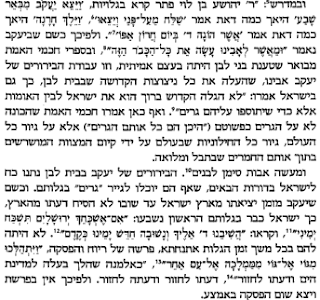


The Besht teaches a person is where his mind is. Yaakov had to leave in the physical sense but he was always in Eretz Yisroel. Golus isn't solved by settling in but by never leaving.
Thursday, November 28, 2019
The True Esav
Rashi says Yaakov kicked to get out by the beis midrash and Esav kicked to get out by the avodah zarah temple. The Maharal points that the yetzer harah doesn't yet exist until a person is born, it wasn't that the yetzer harah was causing Esav to sin, it will built into his hardware to desire to sin. In Noach (21:8) he says the same idea to explain the Gemorah in Yoma (83a) about the children that even in the womb were evil, the idea is that there inclination is to evil. We learn from the Maharal that even if a person is born with an innate tendency to do evil, it is still their responsibility to curb it (Sifsay Chayim.) This is of course, a true and important lesson. However, I would just add that its not that Esav had to become something that he was not in order to overcome his inclinations, rather he just had to look deeper into himself.
The Kabbalists teach that what Yitzchak saw in Esav was the great converts that would descend from him most notably Rebbe Akiva. That is the meaning of ציד בפיו, he contained within himself the power of תורה שבעל פה. The name עקיבא has the same letters as יעקב plus an 'א. The Avodas Halevi says that יעקב is עקב plus the 'י of the bittul of chachma. Esav contained the potential to be greater than that, to reach the levels of keter represented by the 'א.(Haderech Pnemiyah.) On the inside Esav contained tremendous potential but he had to be able to overcome his outer instincts to reach his inner power. Esav's failure was to reach into his inner talents that were hidden under the deep exterior.
The Kabbalists teach that what Yitzchak saw in Esav was the great converts that would descend from him most notably Rebbe Akiva. That is the meaning of ציד בפיו, he contained within himself the power of תורה שבעל פה. The name עקיבא has the same letters as יעקב plus an 'א. The Avodas Halevi says that יעקב is עקב plus the 'י of the bittul of chachma. Esav contained the potential to be greater than that, to reach the levels of keter represented by the 'א.(Haderech Pnemiyah.) On the inside Esav contained tremendous potential but he had to be able to overcome his outer instincts to reach his inner power. Esav's failure was to reach into his inner talents that were hidden under the deep exterior.
Noach Or Toldos
The opening words in parshas Noach and parshas Toldos are
virtually the same. Noach opens אֵ֚לֶּה תּֽוֹלְדֹ֣ת נֹ֔חַ and Toldos
opens וְאֵ֛לֶּה תּֽוֹלְדֹ֥ת יִצְחָ֖ק בֶּן־אַבְרָהָ֑ם. Yet the name of parshas Noach is
Noach and parshas Toldos is called Toldos. Why is there a discrepancy in the name, or at
least Noach should be called Toldos and only after that’s used up should Toldos
be called Yitzchak?
As explained here,
there was a major difference between the outlook of the Avos and the outlook of
Noach. Noach was satisfied by saving
himself from the terrible generation but the Avos wanted to bring others under
the banner. Based upon this we understand
that the name of the parsha isn’t just taking the first word of the parsha but
it reflects the essence. Noach is named
Noach for the parsha is about Noach surviving the generation that completely
was washed away. Toldos is named Toldos
is order to reflect the idea that the Avos wanted to give to others their
message of God. They wanted to make Toldos.
(Based upon Likutay Sichos volume 25.)
Subscribe to:
Posts (Atom)