Showing posts with label Yisro. Show all posts

Friday, February 6, 2026

Personal Kabalas HaTorah

The Yalkut says when Hashem spoke every one said Hashem is speaking to me and that is why it says אנכי ה אלקיך in the singular form for every understood Hashem was talking directly to them. The Midrash continues that Hashem spoke according to the recipient's ability , elders according to their abilities and younger people according to heir abilities. This means Torah was given to the collective body of Klal Yisrael but their is also a personal acceptance according to the capabilities of every individual. Everyone hears the message of the Torah according to their own prism. 

When Moshe Rabbenu recounts the episode of Matan Torah in Vaeschanan he says that Klal Yisrael said they could not handle hearing Hashem speak directly and asked Moshe to give over Hashem's message and Moshe did not think that was correct but Hashem agreed. What is the שקלא וטריא? Why was Moshe not happy with the request but Hashem granted it? The Rebbe (L.S. volume 16) says Moshe saw Klal Yisrael as they were in his presence where he elevated everyone around him to be on the level of hearing directly from Hashem but Klal Yisrael said we want to accept the Torah not due to being elevated from man external source but to have a personal acceptance according to one's own individual understanding. The laws of the Torah are equal, but the understanding of the message of the Torah are different for everyone.

Thursday, July 31, 2025

Big Steps

The Chinuch mitzvah 41 שלא לפסוע על המזבח says והעובר עליה ופסע פסיעה גסה על המזבח עד שנגלה ערותו במזיד לוקה.  The issur is for one who takes a large step, to the point that he reveals his nakedness on the altar, and then one is lashed.  The Rambam in lav 80 says as well, ולשון מכילתא מה תלמוד לומר אשר לא תגלה ערותך עליו כשיעלה למזבח לא יהיה פוסע פסיעה גסה אלא מהלך עקב בצד גודל.  The Smag lav 291 adds ולאו דווקא עקב בצד גודל, שהרי לא אסר אלא הרחבת פסיעות [ביומא דף כ"ב], ותנן נמי היו רצין ועולין בכבש.  However, the Rambam in Beis Habechirah (1:17) only notes the prohibition as prohibiting making steps to go up on the mizbaoch, not merely taking large steps, אין עושין מדרגות למזבח שנאמר לא תעלה במעלות על מזבחי ... והעולה במעלות על המזבח לוקה.  The Minchas Chinuch notes this discrepancy.  The Even Haezel says that it must be the Rambam recanted his view from Sefer Hamitzvot and he hinges the issue on if the issur is defined by the reason of the possuk אשר לא תגלה ערותך עליו.  The Michilta is the opinion of R' Shimon לשיטתו who holds a reason in the possuk expands the issur to beyond the specific details of the possuk and therefore he holds all big steps are prohibited but the Rambam rules like the opinion of R' Yehuda who disagrees with this and holds one is still bound by the parameters of the possuk and therefore the issur is limited to going up via stairs.  Proof to an arguing opinion is from the Gemarah cited by the Smag that the kohanim ran up the ramp.

The Tosfos Yeshanim Yoma (22a) answers that the prohibition of taking a large step is only during active duty in the Mikdash and since the kohanim ran before avodah it is not prohibited.  The Rambam and Chinuch (as noted by Minchas Chinuch) however hold the prohibition is at all times, not only during the time of avodah.  

It is clear from the Michilta cited in the Rishonim that the issur is in taking large steps.  The Mishne L'melech cites an additional Michilta אין לי אלא עליה ירידה מנין ת"ל אשר לא תגלה.  The Briskor Rav says this Michilta disagrees with the previous opinion since if the issur is taking a large step there is no reason to differentiate between goin up or down.  This opinion holds the prohibition is for what the possuk says, לא תעלה במעלות על מזבחי and we might have limited the prohibition to going up, קמ"ל that the root of the prohibition is a lack of כיסוי ערוה and that applies going up or going down a ramp.   

It is also noteworthy that the Chinuch ends the mitzvah  וַעֲנָוִים יִשְׁכְּנוּ אָרֶץ and the Minchas Chinuch says it is to end on a positive note, however, the fact that he chooses this possuk means the yesod of the issur is an act of arrogance.  The Gemarah Zevachim (87b) says there was an empty airspace between the ramp and mizbaoch and Tosfos says it was more than an ammah.  So how did the kohanim take a big step over the airspace? The Minchas Avraham says according to the Chinuch there is no גואה since one needs to take the step to cross the airspace.;

Wednesday, February 12, 2025

Listen And Renew Yourself

 ואשא אתכם על כנפי נשרים ואבא אתכם אלי

The Avodas Yisrael cites Rav Levi Yitzchak that the נשר is called נשר because of its nature of molting.  The feathers of the eagle are נושר, they fall off.  He cites Rashi (Tehillim 103:5) כנשר הזה שמחדש כנפיו ונוצה משנה לשנה.  He says in this vein Klal Yisrael as well are able to shed their sins and do teshuva.  The possuk is saying that Hashem will bring a person close to Him and give them the ability to do teshuva.  (My father wrote this idea the first time the Eagles won the Super Bowl.) I think this idea is not such a nice vort on these words but encapsulates the essence of Yisro himself.  Yisro was able to reinvent himself and go through various incarnations to go from the כהן in מואב to the father-in-law of Moshe, rejecting avodah zarah, joining Klal Yisrael, leaving again.  He did not just stay in his old ways but was willing to molt and be מחדש himself to do what seemed right to him.  וישמע יתרו, he was always listening to hear a new way.  Yisro teaches us that it is important to have one's "ears open" to be willing to hear and listen to a different and improved outlook.  This may be why Yisro serves as the introduction to the parsha of Matan Torah.  In order to be at a Matan Torah one needed to open their ears to acquire the capability of listening. The possuk in Tehillim (40:7) says זבח ומנחה לא חפצת אזנים כרית לי עולה וחטאה לא שאלת.  Rashi says the possuk is referring to Matan Torah and Hashem says I didn't ask for korbanot just to open your ears to listen.  A few perakim later (45:11) it describes listening to Torah, והטי אזנך.  A prerequisite to learning Torah is to be able to listen to the kol Torah, to be open to molting and molding one' character to be in tune with the Torah's commands.

Tuesday, February 11, 2025

Neros Shabbos Part 2

The Mishna Pesachim (53b) says that there were conflicting customs if one should light neros for Yom Kippur.  The Gemarah explains the machlokes according to Rashi's explanation that בין שאמרו להדליק - אותן שנהגו להדליק והנוהגין שלא להדליק לא נתכוונו אלא לדבר אחד להפריש עצמו ממשכבי אשה האומרים להדליק משום דאין אדם משמש מטתו לאור הנר והאומרים שלא להדליק סוברים כשהנר דולק רואה את אשתו ומתאווה לה.  The machlokes is about what is practically better to do to uphold the prohibitions of Yom Kippur.  The Gemarah continues that when Yom Kippur falls out on Shabbos, it is a machlokes if everyone agrees that one then lights candles, רַבִּי שִׁמְעוֹן בֶּן אֶלְעָזָר אוֹמֵר: יוֹם הַכִּפּוּרִים שֶׁחָל לִהְיוֹת בְּשַׁבָּת, אַף בְּמָקוֹם שֶׁאָמְרוּ שֶׁלֹּא לְהַדְלִיק — מַדְלִיקִין מִפְּנֵי כְּבוֹד הַשַּׁבָּת. וְעָנֵי רַבִּי יוֹחָנָן בָּתְרֵיהּ: וַחֲכָמִים אוֹסְרִים.  Presumably the Chachamam hold not to light for the same practical concerns as every Yom Kippur.  So why does רשב"א differentiate?  He would seem to hold that since Shabbos has an obligation of neros Shabbos, that applies even when Shabbos coincides with Yom Kippur.  In other words, he holds the practical concerns can't cancel out the obligation of neros Shabbos.  (The Chachamim disagree and hold even on Yom Kpput that falls out on Shabbos one should not light candles.  They may hold the practical concerns override the obligation of neros Shabbos or they hold when Shabbos coincided with Yom Kipput it is a hybrid kedusha and the Shabbos has the dinim of Yom Kippur and loses its own obligation of candles, ויש לעיין בזה.)  But why does he hold that a regular Yom Kippur doesn't have the same obligation?  It would seem to depend on the nature of the obligation of neros Shabbos.  In the post last week, 'Neros Shabbos,' it was brought up the issue is the mitzvah of neros Shabbos is for the candles to be lit on Shabbos or is the mitzvah to do an act of lighting the candles.  This debate may reflect what the reason of the mitzvah is.  If the mitzvah is to give kavod to Shabbos, then it is an act to be done before Shabbos for the sake of Shabbos, so it would be a mitzvah to light the candles but if the mitzvah is for oneg Shabbos because having a lit house enhances one's enjoyment of Shabbos, then it would suffice for the candles to be lit on Shabbos, one does not need to actively light for Shabbos.  Yom Kippur does have an obligation of kavod (Shabbos 119a) but does not carry the obligation of oneg.  It would seem רשב"א holds the obligation of lighting candles is in order to give oneg to the day and therefore, he holds a regular Yom Kippur does not have the obligation of lighting neros but Shabbos Yom Kippur does.  

The Rosh (Yoma Chapter 8 siman 27) however, says we always light a candle on Yom Kippur and say a beracha because of the mitzvah of shalom bayis.  He seems to be giving a third reason for the neros which is shalom bayis and that obligation applies even on Yom Kippur.  Rav Yosef Engel (ציונים לתורה כלל לח עמ' מז) is bothered that how can shalom bayis itself be a reason to light candles, if that is the case there should be an obligation to light a candle and one should say a beracha every single day of the year?  He says the Rosh must mean that due to the fact that there is kavod on Yom Kippur as well, one can say a beracha when lighting.  How does this fit in the words of the Rosh?  I assume he means that kavod is to do something is preparation for Shabbos that will enhance one's Shabbos experience.  In what way is one's Shabbos experience enhanced?  Because one's shalom bayis is enhanced that allows for a more enjoyable Shabbos. 

See more about this discussion in כוכבי יצחק siman 1.

Monday, February 10, 2025

Kiddush Points

Tosfos in Pesachim (106a) ד"ה זכריהו has a discussion if kiddush on wine is a Torah law or not.  The Magen Avrohom (371:1) says since the conclusion is that is merely a Rabbinic law to say the kiddush on wine and one can fulfill the Biblical commandment of kiddush with the prayer services when one says מקדש השבת.  Rabbi Akiva Eger says based upon this that saying good Shabbos also would suffice to fulfill one's Biblical commandment for one has mentioned that the day is Shabbos.  In the Beur Halacha he objects to the R.A.E. because the Rambam says one needs to say דברי שבח in kiddush and that is not said by merely mentioning Shabbos?  The Rashba Teshuva (volume 4 #295) also says that one can fulfill kiddush outside the context of on a cup of wine or prayer but says it has to be words of שבח וקילוס. (In the sefer Ratz Katzvi he says the Rashba fits the R.A.E. not like the question of the Beur Halacha bit I don't understand how he reads the Rashba who says one needs words of praise?  Rav Mordechai Eliyahu also notes this Rashba sounds not like the R.A.E.)  The one asking the question to the Rashba however does indicate that merely saying today is Shabbos does suffice for kiddush which would fit with R.A.E.  What may be the underpinnings of this debate?  This blog in the past mentioned the machlokes Rambam and Ramban if the nature of kiddush is to mention and designate the holiness of Shabbos as a distinct day from other days or is it a human form of injecting kedusha into day like Beis Din declaring the shemittah year holy.  The Rambam goes lishitaso and hence requires a mention of the holiness and praise of the day. According to the Ramban however, one can argue that it merely suffices to declare that the day is Shabbos. 

The Dagul Marevavah (271:2) raises the issue if the the man of the house prays maariv and already fulfills his Biblical obligation of kiddush how can he recite kiddush for his wife who is obligated on a Biblical level if woman are not part of arvus (which he understands based upon a Rosh.)?  R.A.E. takes issue because of how he learns the Rosh.  However, according to R.A.E. the whole question shouldn't get off the ground because the woman should also fulfill her obligation by lighting neros Shabbos.  As pointed out even not according to the R.A.E., if a woman adds words of praise after lighting candles about Shabbos, they also would fulfill the Biblical obligation according to the Magen Avraham. 

The Mishna Berurah (271:2) takes issue with the Magen Avraham for mitzvot need kavanah to fulfill the obligation and one is not thinking of fulfilling the mitzvah of kiddush when davening?  The Chasam Sofer actually advises one to have in mind not to be yotzei kiddush in tefillah in order to be able to fulfill kiddush according to the takkanah of Chazal with wine in the place of the seudah (צ"ע if the chasam Sofer means to activly have this in mind ,this is what it sounds like from his haghos on Shulchan Aruch ,or this is automatic that one is not yotzei untill the meal after the takkana of Chazal, see his teshuva #17 and #21 he says it is like לב ב"ד מתנה שלא לצאת?)  However, as noted by Rav Shlomo Zalman in Shulchan Shlomo this is an interesting implementation of lack of kavanah.  The person that is davening is intending to say the words of praise about Shabbas, the same very same text as kiddush in fact, and he is expressing his his acknowledgment and intent of sanctifying Shabbos, why where is the lack of kavanah?  Says Rav Shlomo Zalman, because the person's intent is to say this as part of tefillah not as a fulfillment of kiddush.  It may very well be that the Magen Avraham will tell you there is no lack of kavanah here for the person has intent to do the same thing as kiddush does, the fact that there is no intent for the specific mitzvah of kiddush is not relevant.

Sunday, March 3, 2024

Separating From Woman, Marror And Woman, Toras Avigdor

A few years ago I shared the enlightening words of the דרושי וחידושי הרמבא"ד about woman at the beginning of Yisro.  It was also recently brought to my attention that he continues with a piece at the end of the parsha sharing a similar view


מענין לענין, there is a discussion about the old Haggadah which says to point to one's wife when one gets to the marror at the Seder, forum.otzar.org

Also noteworthy the Q and A of Toras Avigdor this past week which states it is good to marry someone who you can't hold a conversation with: 


Sunday, February 4, 2024

Shalom Of Torah

Daas Chachma U'Mussar volume 1 maamer 21


True shalom is the combination of opposites.  The giving of the Torah is a joining of G-dly wisdom with the brain of mankind.  It is a joining of polar opposites.  This is the  shalom that Torah produces.  Presumably, this idea would be the explanation of  learning Torah כל העוסק בתורה לשמה משים שלום בפמליא של מעלה ובפמליא של מטה (Sanhedrin 99b) and ת"ח מרבים שלום בעולם and other such statements.  


Thursday, February 1, 2024

The Names Moshe Gave, The number 10

The first son of Moshe is named Gershom  כִּ֣י אָמַ֔ר גֵּ֣ר הָיִ֔יתִי בְּאֶ֖רֶץ נׇכְרִיָּֽה and the second son Eliezer כי אלקי אָבִי֙ בְּעֶזְרִ֔י וַיַּצִּלֵ֖נִי מֵחֶ֥רֶב פַּרְעֹֽה.  It would seem more apropos for the names to have been in reverse for first Moshe was saved from Pharaoh only after that did he live in a foreign land?  The Or Hachayim gives two answers.  The first one is that what is happening to a person currently is what comes to mind first and hence Moshe gave a name reflecting that experience first and then looked in the past for inspiration for a second name.  The second answer he gives is that the גר הייתי is not referring to his time in Midyan but the very coming down into this world which is a foreign place to the holy soul of the tzaddik and that did come first.  The Nitziv (Shemos 2:22) says since he wasn't totally out of danger yet for Pharaoh can still hunt him down, so Moshe didn't name a son after being saved until he was assured that it was safe to go back.  This approach is said here in the Riva as well.

שֵׁ֤ם הָֽאֶחָד֙ גֵּֽרְשֹׁ֔ם כִּ֣י אָמַ֔ר גֵּ֣ר הָיִ֔יתִי בְּאֶ֖רֶץ נׇכְרִיָּֽה

וְשֵׁ֥ם הָאֶחָ֖ד אֱלִיעֶ֑זֶר  כי אלקי אָבִי֙ בְּעֶזְרִ֔י וַיַּצִּלֵ֖נִי מֵחֶ֥רֶב פַּרְעֹֽה

Why in the first possuk does it say כי אמר and in the second possuk it does not?  The Riva explains  לפי שמשה כתב ספרו והיה אומר כל שעה אלהי אבי בעזרי. ואלו כתוב אמר משה אמ' לפי שעה. בשם ר' יחיאל.  The fact that he was saved from Pharaoh he declared one time as the reason for naming his son Gershom but אלקי אָבִי֙ בְּעֶזְרִ֔י wasn't said one time, it was something that Moshe constantly repeated.  

The Mishnayot in Avot Ch. 5 list off a whole list of things that are the number 10, why is there a blatant omission of the the 10 commandments?  The Rebbe explains (Likutay Sichos volume 30 Berashis) that the Mishna lists off all the things that are groups of 10 because 10 shows its importance.  But why is it that the 10 represents an important unit?  Because the Torah which predates the world has 10 commandments, hence the number 10 in the world is a reflection of that perfection.  So, the Mishna is listing the things which are attached to the number 10 to reflect their importance but the fact that their are 10 commandments doesn't reflect their importance, it is the cause of why the number 10 is important.

Friday, February 10, 2023

In Line

The possuk (19:12) says וְהִגְבַּלְתָּ֤ אֶת־הָעָם֙, the boundary is for the people.  A few pessukim later, possuk 23 it says הַגְבֵּ֥ל אֶת־הָהָ֖ר, the boundary is to not invade the kedusha for the mountain.  The Netziv says that there are two different commandments here.  The first commandment is not to avoid desecrating the kedusha of the mountain but is a commandment that the people should be in their proper places.  In his words, "גבולות לעם במעמדם סביבות ההר — אהרן בראש, והכהנים לפי ערכם אחריו, וגדולי ישראל אחריהם, ובינונים אחריהם, ונשים וטף אחריהם."  Everyone has to be only in their proper place.  Part of the condition to accept the Torah was that everyone is in their proper place.  Theri was a seder as to where one would stand and that had to be kept too. 

Friday, January 21, 2022

Driven By Truth

Harav Hagaon Yosef Elefant Shlita

Why was the parashah of Yisro’s arrival chosen as the introduction to Mattan Torah? We know that Yisro was zocheh to a parashah in the Torah, but the fact that his arrival is deemed worthy of serving as the opening stage for Mattan Torah certainly needs our attention.

Regarding the words וַיִּשְׁמַע יִתְרוֹ, Rashi comments: מה שמועה שמע ובא קריעת ים סוף ומלחמת עמלק. The question of what Yisro heard seems out of place, as the Torah states clearly that he heard about Yetzias Mitzrayim and about all that Hakadosh Baruch Hu had done for Klal Yisrael. Why ask what he heard? Furthermore, if the passuk says that he heard about Yetzias Mitzrayim, why do Rashi, and Chazal, answer that he heard about something else — Krias Yam Suf and Milchemes Amalek?

The meforshim note that Rashi’s question is מה שמועה שמע ובא — what did Yisro hear that made him come? The entire world heard about Yetzias Mitzrayim and Krias Yam Suf, as the passuk says: שָׁמְעוּ עַמִּים יִרְגָּזוּן חִיל אָחַז יֹשְׁבֵי פְּלָשֶׁת. אָז נִבְהֲלוּ אַלּוּפֵי אֱדוֹם אֵילֵי מוֹאָב יֹאחֲזֵמוֹ רָעַד נָמֹגוּ כֹּל יֹשְׁבֵי כְנָעַן. When, then, was Yisro the only one who came? What triggered him to pick himself up and leave, when no one else in the world did that?

Chazal answer that he heard about Krias Yam Suf and Milchemes Amalek. Yisro, perhaps like the rest of the world, heard about Yetzias Mitzrayim and was amazed, and maybe even inspired to emunah. But then he noted an interesting phenomenon: He saw that after Krias Yam Suf, there could be a Milchemes Amalek immediately.

The power of Amalek is אֲשֶׁר קָרְךָ בַּדֶּרֶךְ — he jumps into the hot bath and cools it off. Yisro saw that a person could experience a tremendous spiritual hisorerus, and be spurred to emunah, yet that inspiration could fade dramatically, as evidenced by the juxtaposition of Krias Yam Suf and Milchemes Amalek.

In last week’s parashah, this phenomenon is evident as well. At the beginning of Parashas Beshalach, Klal Yisrael reached incredible heights of emunah, to the point that they declared: זֶה קֵלִי וְאַנְוֵהוּ, and even a maidservant beheld visions that Yechezkel Hanavi was not privy to. Yet by the end of the parashah, Klal Yisrael are already questioning: הֲיֵשׁ ה' בְּקִרְבֵּנוּ אִם אָיִן. Rashi cites the famous mashal of the child riding on his father’s shoulders and calling out, “Did you see my father?” The polar opposites of the parashah are very striking.

The baalei mussar observe that such is the nature of bechirah. If a person’s emunah would remain a straight line, without wavering, then the person would not have bechirah; he would always do the right thing. Therefore, it’s possible to go within a short time from זֶה קֵלִי וְאַנְוֵהוּ to הֲיֵשׁ ה' בְּקִרְבֵּנוּ אִם אָיִן. And when a person cools off, that’s when Amalek comes.

Yisro witnessed this regression and noted that a person can experience a hisorerus and then rapidly lose that hisorerus. He then concluded that if he didn’t come now, the effect of his inspiration would fade, and he would never come. That is the meaning of the question: מה שמועה שמע ובא — what did he hear that prompted him to come immediately, when no one else did? And Chazal explain that the specific trigger of his arrival was his observation that Krias Yam Suf could be followed by Milchemes Amalek.  Yet the question remains: Why was he the only one who made this calculation and decided to come?

Chazal make several interesting observations about Yisro. One of them, cited by Rashi, is that there was no avodah zarah in the world that he did not worship. Similarly, the Ramban (Shemos 6:23), notes that Putiel, whom the Torah names as the maternal grandfather of Pinchas, is identified by Chazal as either Yosef — שֶׁפִּטְפֵּט בְּיִצְרוֹ, or as Yisro — שֶׁפִּיטֵּם עֲגָלִים לַעֲבוֹדָה זָרָה, and that his name is included as a shevach.What kind of praise is it that Yisro fattened calves for idolatry? That’s a yichus?

The answer is that Yisro was an ish emes. He was looking for the truth, and therefore he worshipped every avodah zarah in the world. Imagine that a person would go through town after town in India and Africa and worship every last idol. That was Yisro.

His quest for truth was manifest in two ways. One was his worship of every single deity. The second was his ability to identify what is sheker and what is emes. His search was unending. Most people would give up after encountering a couple of false gods, but Yisro kept on searching, rejecting one deity after another. Finally, when he heard about Klal Yisrael and Yetzias Mitzrayim, he came.

Yisro’s fattening calves for idolatry reflected his search for emes. Whatever he did, he did right, investing his full heart into it because at that time he believed this was the truth — and if it’s the truth, you have to go all the way with it, with no ifs, ands, or buts. That’s why his fattening calves for avodah zarah is viewed as admirable.

This same quest for truth was evident right after he joined Klal Yisrael, when he gave Moshe Rabbeinu mussar. To him, emes was emes, and the truth needed to be spoken.

His descendant, Pinchas, was reviled by the shevatim because he descended from Yisro, who fattened calves for avodah zarah, but in truth, he was motivated by the same yearning for emes as his grandfather Yisro. What Pinchas did was neither comfortable nor pleasant, but he learned from the Zeide Yisro to do what’s right, not what’s pleasant.

We can now understand why Yisro was the only one spurred to join Klal Yisrael after hearing the same reports that the rest of the world heard. He heard the emes, and he also saw how quickly recognition of the emes could fade — so he picked himself up and came. Having heard about Krias Yam Suf, and having identified the emes, he would not take a chance of losing that hisorerus, as he learned from Milchemes Amalek. That’s why he came, while the rest of the world stayed home. They, too, experienced a hisorerus, but the emes they saw was not that important to them.

This also explains why Yisro’s arrival serves as the introduction to Mattan Torah. What creates the receptable for Mattan Torah is a person’s dedication to seeking the truth, and the willingness to be moser nefesh for that truth. Hashem gave us Toras emes, and the precondition to receiving that Torah is the quest for emes that Yisro personified. When he heard the truth, he came running, refusing to let the inspiration fade.

Similarly, the Gemara in Yoma teaches that a talmid chacham must be tocho k’baro, the same inside and out, like the aron, because you can’t absorb the Torah, which is emes, unless you yourself are emes inside and out. Therefore, Yaakov Avinu, whose middah was emes, was the ultimate yoshev ohalim. A person who is driven not by emes, but by other agendas, is not a receptacle to internalize Torah, and a person must therefore constantly ask himself, “Am I driven by emes? is that what characterizes my life, my actions, my aspirations?”

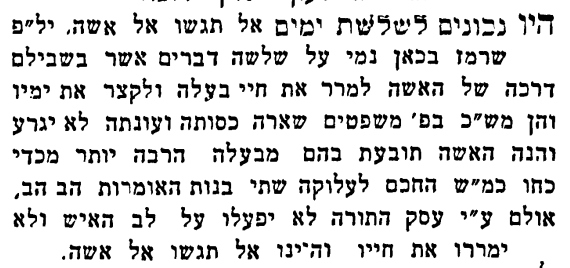
Thursday, January 20, 2022

Giving Kedusha

Why does the parsha of Yisro precede that of Mattan Torah? Why was there a need for a great spectacle of sounds, lights etc. at Mattan Torah?  Why is there a need to remember the event of Mattan Torah according to the Ramban?  

The giving of the Torah was not a mere giving of national laws to a new nation.  It was a form of establishing kedusha in Klal Yisroel.  The purpose is וְאַתֶּ֧ם תִּהְיוּ־לִ֛י מַמְלֶ֥כֶת כֹּהֲנִ֖ים וְג֣וֹי קָד֑וֹשׁ.  The Or Hachayim already notes that the Torah records the story of Yisro before Mattan Torah to teach us that even though there may be very smart gentiles with innovative ideas such as Yisro, nonetheless they are not part of Klal Yisroel.  The nature of the great spectacle that was Mattan Torah was to establish the proper mood that is necessary for learning Torah in order for the kedushat haTorah to permeate through the individual.  As the Gemorah Berachot (22a) says מה להלן באימה וביראה וברתת ובזיע אף כאן באימה וביראה וברתת ובזיע.  Part of the studying of Torah is the necessity of the proper state of mind.  If the point was a pure study of information why is this a requirement?  Because it is not about a pure analysis of information but is rather a means of instilling proper kedusha in the individual.  That is why one must remember the event of Har Sinai to recall the meaning behind the study that one is doing. 

Sunday, February 7, 2021

Desire For Perfection

This post is based upon a shmuz by Rabbi Elefant of the Mir.  The midrash Tanchuma Bamidbar #2 says  לנשיא, שנכנס למדינה וראו אותו בני המדינה וברחו. נכנס לשנייה וברחו מלפניו, נכנס לעיר חריבה וקדמו אותו והיו מקלסין אותו. אמר הנשיא: זו העיר, טובה היא, מכל המדינות, כאן אני בונה כס נאה, כאן אני דר. כך כשבא הקב"ה לים, ברח מלפניו, שנאמר (תהלים קיד): הים ראה וינוס, וכן ההרים רקדו כאילים. בא במדבר חרבה, קדמה אותו וקילסה אותו, שנאמר (ישעיה מב) יישאו מדבר ועריו חצרים תשב קדר ירונו יושבי סלע. אמר: זו העיר טובה לי, מכל המדינות, בו אני בונה כנסיה ודר בתוכו, התחילו שמחים, שהקדוש ברוך הוא דר בתוכו, שנאמר (שם לה): "יששום מדבר וציה".  The king went into various towns and everyone ran away.  When he entered the wasteland everyone came out to greet him and he said I will build my palace here.  That is why Hashem gave the Torah in a midbar.  What is the midrash teaching us?  Why do the people of the wasteland welcome the king more than other people?  The Sfas Emes Bamidbar 5634 comments: כי התורה היא שלימות הנבראים וכפי מה שהנבראים חסרים בעיני עצמם ומקוין אל השלמה. זוכין לתורה. ומאוד קשה לבעל בחירה להיות חסר בעיני עצמו כראוי ולכן ברחו בני מדינה. אבל מי שהוא כמדבר כמ"ש במדר' שאינו זוכה לתורה עד שנעשה הפקר כמדבר וזה הי' הכנת בנ"י קודם קבלת התורה שהגיעו לבחי' מדבר להיות ברור בעיניהם וגם לברר זה בכל הנבראים שיהיו מקוין אל השלמה כנ"ל. ובחי' זו נקראת מדבר שחפץ להיות נמשך אחר המנהיג אותו מלשון דבר א' לדור.  One can acquire Torah only is one recognizes that he is flawed without the Torah.  Without Torah one is a wasteland, barren of bringing out his true potential.  It is only through Torah that one can reach their full capabilities.  That is what Chazal mean that one must make themselves like a midbar to acquire Torah.  

The possuk says (19:1) בחדש השלישי לצאת בני ישראל מארץ מצרים ביום הזה באו מדבר סיני.  And the very next possuk says  ויסעו מרפידים ויבאו מדבר סיני ויחנו במדבר ויחן שם ישראל נגד ההר.  Why does it say they reached midbar sinai and then repeat that they arrived there?  The Maharal in Derush al Hatorah explains אבל הכתוב בא לומר תחלה, כי ראויים היו ישראל לקבל התורה במדבר דוקא. כי האדם שנקרא על שם אדמה, כאשר אין לו תורה נחשב כמדבר שאין בו עשב וצמח האדמה, ושדה בור נחשב הוא יותר מכל הבעלי חיים כאמור. שהב"ח נקראים בהמה על שם שיש בה מה, דהיינו מה שנבראת הבהמה עליו נמצא עמה בבריאותה, ואילו האדם נקרא אדם מפני שהוא כמו אדמה שהיא בכח בלבד, ולכן כל זמן שלא קבל התורה הרי הוא כמו מדבר שהוא מקום בור בלא פרי כי חסר התורה והמצוה יקרא בור: ובשביל חסרון האדם שהוא כמו מדבר, נתנה לו התורה להשלימו ואז האדמה הזאת מוציאה אילנות וצמחים שלה.  The possuk highlights that the Torah must be given in a midbar for a person without Torah is a midbar.  A person is called אדם because they are created from dirt.   There is a potential to grow or be trampled.  The way a person grows is by learning Torah.

What is the nature of the perfection that Torah gives a person?  And how does one acquire the desire to be perfected ?  The Mishna in Avos (4:1) says בן זומא אומר:איזהו חכם? הלומד מכל אדם.  The Maharal explains that a person is חומר and חכמה is צורה.  The two are opposites.  What joins them is the desire to want חכמה.  The chacham is one desires to be cultivated, to grow.  When a person desires חכמה they will learn from everyone.  The lacking a person has without Torah is the lacking that all חומר has when it is not formed with its צורה.  The צורה is the direction, purpose and meaning of the חומר.

Rav Wolbe points out that there are two places where the Torah uses the word תשוקה.  In Berashis (3:16) ואל אישך תשוקתך and in 4:7 וְאֵלֶיךָ תְּשׁוּקָתוֹ וְאַתָּה תִּמְשָׁל בּוֹ.  He explains both are examples of חומר desiring to be perfected by their צורה.  The first time it is a woman that is perfected by man and the second time it is the yetzer harah that desires for man to stand up to the test in order for it to be perfected.  These desires are not something that have to be developed and cultivated, they are part of the natural make up. It is inborn and innate for things to desire, seek, and strive to find meaning and direction.  In the same vein Torah gives purpose, meaning and direction for one's life.  One does not need to find tricks to have a desire to learn, it is inside a person!

Thursday, February 4, 2021

Power Of Listening

Why is the parsha of Yisro the introduction to Mattan Torah?  

וישמע יתרו.  Everyone heard, not just Yisro?  The Baalei Mussar distinguish between hearing and listening.  Everyone heard the news, but most didn't listen.  Only Yisro listened and took to heart what the events were saying.

The Gemorah in Bava Kamma (85b) says חרשו נותן לו דמי כולו.  If one makes someone else deaf they don't just pay for the individual's ears but for the individual's full value.  Why must one pay the whole value, why is it worse than blinding someone if one who is blind is considered dead?  Rav Zilberstein explains that for a person to lose the sense of sight is worse than losing the sense of hearing.  However, damages are assessed according to the value of a servant and for a servant it is more critical that he can hear the master's command.  (Chashukay Chemed Sanhedrin 49b.)  What defines one as an eved is the ability to listen to the master's commands.  The Maharal in Kiddushin (22) says the ears are what make a person a kli kibbul, they make a person into a fashioned, viable human being.  In light of Rav Zilberstein we understand that the essence of an eved is to listen to his master. 

The Beis Halevi asks how could Klal Yisroel accept to fulfill the Torah if they didn't know the details, how could one accept an obligation if they don't know the extent of it?  He explains that what was accepted at Mattan Torah was not accepting various laws, it was accepting to be the eved of Hashem.  When one accepts to be an eved, they are מקנה themselves to the master and therefore whatever the master says to do, he must do as part of the acceptance of being an eved.  "אבל המוכר עצמו לעבד אינו מקבל עליו שום חיוב רק מקנה גופו לרבו ובזה שפיר חל הקנין, וכיון דהגוף נעשה של הרב הרי ממילא מחויב לעשות כל מה שיאמר הרב וזה פשוט, ומש"ה חל הקבלה על ישראל דהם לא קיבלו על עצמם התורה בגדר חיוב ושיעבוד רק הקנו גופם להתורה ולעבודתו יתברך, וזהו שאמר הכתוב ושמרתם את בריתי דזה קאי על שבע"פ והיא אין לה קצבה וע"כ אמר והייתם לי סגולה מכל העמים, שתהיו קנויים לי ועוסקים בתורה שיהיה לי בכם קנין הגוף לא חיוב גרידא".  

That is why the parsha of Yisro precedes that of Mattan Torah.  Klal Yisroel learnt from Yisro the importance of listening.  To be an eved one must acquire this trait of listening.  Only after they saw such a lesson in practice were they ready to declare themselves עבדים to Hashem and truly listen to what they were told.

Wednesday, February 3, 2021

Yisro's Bris

Rashi says that the name of Yisro was Yeser and after he converted a letter was added to his name and he became Yisro.  The Maharal explains why a vav was added "יש לפרש דלכך הוסיפו לו וי"ו כנגד תרי"ג מצות, וג' מצות שיש לגר שבהן נעשה גר, והוא מילה טבילה וקרבן, והוא מספר 'יתרו', ולכך אמר 'כשנתגייר וקיים המצות'. ואף על גב דמילה בכלל תרי"ג מצות, גבי גר אין לומר כך, דהא עדיין אינו ישראל עד שיטבול, ואם כן אין זה ממצות שהוא חייב לקיים אותם. אבל מצות המילה שהגר חייב בה הוא למול את בנו (קדושין כט. ), ובמילת עצמו נעשה גר. ולפיכך יש כאן ג' מצות שבהן נתגייר, ותרי"ג מצות גם כן, וכולם קיים יתרו, לכך הוסיפו לו וי"ו." 

We see from the Maharal that the milah that one does to convert is a separate mitzvah from the obligation of a yisroel to have a milah.  With this we can understand a point of the Rogatchover.  He points out (Milah 1:7) that the law of completing the milah on the ציצין שאין מעכבין are not said regarding the milah for becoming a convert.  Why not?  In light of this Maharal we understand that the law of completing the milah on the ציצין שאין מעכבין is hiddur mitzvah and hiddur mitzvah applies to the mitzvah of a Jew, not of a gentile (see Shearis Yosef volume 2 end of siman 1.)  

The Achronim (Panim Yafos in Nitzavim) ask how could Yisro give himself a bris milah (see Sanhedrin 94a and Rashi there,) if it was a danger to do milah in the midbar?  The Achronim discuss what is the din if a person can't do milah because it is dangerous can he become a convert without milah (see Achiezer volume 4 #45-46 and Sriday Aish volume 2 #67)?  One of the sides to the question may be if the milah is that part of converting he must fulfill the mitzvah of milah like a yisroel, then he would have the same exemption as a yisroel is it is dangerous.  However, if it is a separate command as part of the conversion process he must do milah like the Maharal would presumably hold, then if he doesn't do milah he can't become a convert.  (The Chasam Sofer Yorah Deah teshuva 1 and 300 answers a contradiction in Rebbe Yose if milah needs to be done lishma by differentiating between the milah of conversion which needs to be lisma as opposed to milas yisroel which does not.  However, that may be because the milah also plays a role in the conversion but does not prove it isn't a fulfillment that a yisroel has to do milah.)  

The Oznaim L'torah brings a proof from the fact that Yisro did milah even though it was dangerous that one can't become a convert unless milah is done and therefore Yisro did the milah even though it was a danger.

Sunday, February 23, 2020

Women And Amalek

An individual in the beis midrah shared with me a text he received which was a picture of the following idea in the sefer דרושי וחידושי הרמבא"ד on Yisro.  It would seem the author was starting early on Adar jokes or got in a big fight with his wife that week or possibly both.

Wednesday, February 12, 2020

Boundaries For Yourself

The possuk (19:12-13) says וְהִגְבַּלְתָּ֤ אֶת־הָעָם֙ סָבִ֣יב לֵאמֹ֔ר הִשָּׁמְר֥וּ לָכֶ֛ם עֲל֥וֹת בָּהָ֖ר וּנְגֹ֣עַ בְּקָצֵ֑הוּ כׇּל־הַנֹּגֵ֥עַ בָּהָ֖ר מ֥וֹת יוּמָֽת׃ לֹא־תִגַּ֨ע בּ֜וֹ יָ֗ד כִּֽי־סָק֤וֹל יִסָּקֵל֙ אוֹ־יָרֹ֣ה יִיָּרֶ֔ה אִם־בְּהֵמָ֥ה אִם־אִ֖ישׁ לֹ֣א יִחְיֶ֑ה בִּמְשֹׁךְ֙ הַיֹּבֵ֔ל הֵ֖מָּה יַעֲל֥וּ בָהָֽר.  A few pessukim later (21-24) it says וַיֹּ֤אמֶר י״י֙ אֶל־מֹשֶׁ֔ה רֵ֖ד הָעֵ֣ד בָּעָ֑ם פֶּן־יֶהֶרְס֤וּ אֶל־י״י֙ לִרְא֔וֹת וְנָפַ֥ל מִמֶּ֖נּוּ רָֽב וְגַ֧ם הַכֹּהֲנִ֛ים הַנִּגָּשִׁ֥ים אֶל־י״י֖ יִתְקַדָּ֑שׁוּ פֶּן־יִפְרֹ֥ץ בָּהֶ֖ם י״יֽ׃ וַיֹּ֤אמֶר מֹשֶׁה֙ אֶל־י״י֔ לֹא־יוּכַ֣ל הָעָ֔ם לַעֲלֹ֖ת אֶל־הַ֣ר סִינָ֑י כִּֽי־אַתָּ֞ה הַעֵדֹ֤תָה בָּ֙נוּ֙ לֵאמֹ֔ר הַגְבֵּ֥ל אֶת־הָהָ֖ר וְקִדַּשְׁתּֽוֹ׃ וַיֹּ֨אמֶר אֵלָ֤יו י״י֙ לֶךְ־רֵ֔ד וְעָלִ֥יתָ אַתָּ֖ה וְאַהֲרֹ֣ן עִמָּ֑ךְ וְהַכֹּהֲנִ֣ים וְהָעָ֗ם אַל־יֶֽהֶרְס֛וּ לַעֲלֹ֥ת אֶל־י״י֖ פֶּן־יִפְרׇץ־בָּֽם׃.  Why is the warning repeated (see Rashi?) Furthermore, why the second time around is there an additional warning for the kohanim? And the Gemorah Sanhedrin (daf 15a,41a) learns from כִּֽי־סָק֤וֹל יִסָּקֵל֙ אוֹ־יָרֹ֣ה יִיָּרֶ֔ה the rules of סקילה, clearly going on the mountain is a capitol punishment administered by man, yet in the second time around it says פֶּן־יִפְרֹ֥ץ בָּהֶ֖ם י״י, a punishment meted out by G-d, which one is it?  The first time it says a warning on animals as well, but the second time animals aren't mentioned, why?

We see that there were two separate warnings not to approach the mountain.  The first time was during the three days of הגבלה.  This was not to breach the sanctity of the mountain.  A violation of this is punishable by death through ב"ד.  The second warning was during the time Moshe went up to the mountain.  This wasn't a warning to violate the kedusha of the mountain, rather it was a warning for everyone to retain there respective places that they were designated to.  As the meforshim say there were different levels of closeness to the mountain.  This warning was not to violate one's place of designation.  A violation of one's personal boundaries isn't subject to death by ב"ד, rather death by G-d.  This may be the intent of the Or Hachayim (possuk 22) explaining why the kohanim are mentioned here: או ירצה על פי דבריהם ז״ל (מכילתא) כי הגביל ההר עד כאן משה עד כאן גבול אהרן עד כאן גבול הכהנים, כפי זה אומרו הנגשים אל ה׳ פירוש שגבולם בהר נגשים מה שאין כן ישראל, יתקדשו, פי׳ יעמדו בקדושתם ולא יוסיפו לעלות עוד פן וגו׳.  That's why the first time animals are included for they also can't go up the mountain, however they aren't included in the commandment of a personal boundary. (Based upon חבצלת השרון, see די באר that also explains they are two dinim, but with a different approach.)

Why is the giving of the Torah introduced by a commandment of boundaries?  This is the intro. to Torah.  The many vast laws and restrictions aren't methodologies of torture but an exercise in self control.  As Rav Shirkin recounts:


Moses's Sons - Where Are You?

A few weeks ago, before parshas Shemos, my friend, Y.B. sent out a email which I will share here.
Mazel Tov! Moshe Rabeinu has his first son with Tzipporah. Everyone gathers around by the Bris, silently waiting to hear what he is going to call his firstborn son. Moshe announces: His name shall be Gershom because I have been a stranger in a strange land.

This scene seems a little uncomfortable. First, Moshe is saying he's a stranger in a strange land in Midyan: This is the place where he got married and now lives, why does he still feel like a stranger? Second, even if he still feels like a stranger in Midyan, he seemed to have felt like a stranger in Egypt, so what's the significance of being a stranger now that he shifted over to Midyan? And third, even if Midyan is not his most desired place to live, why is Moshe focusing on the negative of feeling like a stranger? Why not focus on the positive of being saved from the sword of Paraoh? Moshe calls his second son – Eliezer – because Hashem saved him from the sword of Paraoh (18:4), but the Torah doesn’t even mention Eliezer’s birth and Moshe only gave this name to his second son. Why is the Torah so discreet about Eliezer’s birth and why didn’t Moshe primarily focus on the positive of being saved from Egypt when naming his firstborn son?

There's an amazing Malbim which can help us answer our questions. The Malbim writes, “Although he lived in Midyan and married a woman there and although he ran from Egypt because of the slander of a fellow Jew, even with all this he never lost his love for his people. He had his eyes and heart set on Egypt, every day, to return there and save them” (2:22).

This means that every day that Moshe was in Midyan, no matter how comfortable he got, he still felt like a stranger because his heart was really in Egypt – to save his fellow Jews. This could be why the Torah explicitly mentions Gershom’s birth and not Eliezer’s, and why Moshe named his firstborn Gershom, focusing on the seemingly negative. Moshe’s primary focus was on the fact that he was a stranger and his longing to return to Egypt to save his fellow Jews. The fact that he was saved by the sword of Paraoh was secondary and a means to be a savior for his people.

This is an important idea to think about. Even if we feel like we are comfortable where we are and with what we have, we must realize that there are Jews around the world or even in our communities who are suffering, and we must long to help them. Yes, we should celebrate the good things we have in life, but our priority and focus should ideally be on the salvation of other Jews who are suffering.
May we learn from our leaders to place our focus on others before ourselves. As they say, עכ"ל.

I just want to add (maybe in a different direction,) that the names Moshe gave seem to be backward?  First he should be thankful for being saved from Pharoh and afterward mention his living in other lands?  It may be that one must first put their focus on the present; where they are and one can only appreciate the past after that.  It is the present and going forward that allows one to have the proper perspective on past events to see where they led to.

Tuesday, February 11, 2020

The Shver

Yisro's name appears in almost every possuk of the first aliyah.  Most of the time it adds that he is the father-in-law of Moshe with the exception of possuk 9 and 10. Why does the Torah have to keep on stressing every time that he is the father-in-law of Moshe and why in possuk 9 and 10, וַיִּ֣חַדְּ יִתְר֔וֹ עַ֚ל כׇּל־הַטּוֹבָ֔ה אֲשֶׁר־עָשָׂ֥ה י״י֖ לְיִשְׂרָאֵ֑ל אֲשֶׁ֥ר הִצִּיל֖וֹ מִיַּ֥ד מִצְרָֽיִם וַיֹּ֘אמֶר֮ יִתְרוֹ֒ בָּר֣וּךְ י״י֔ אֲשֶׁ֨ר הִצִּ֥יל אֶתְכֶ֛ם מִיַּ֥ד מִצְרַ֖יִם וּמִיַּ֣ד פַּרְעֹ֑ה does it omit that he is the father -in-law?
Update: In this week's Divrei Shiach they print from the טעמא דקרא that answers this question: צ"ב בכל הפרשה פעם קורא אותו יתרו ופעם חותן משה ופעם יתרו חותן משה. ואפשר לומר דבמקום שקורא אותו יתרו הוא מצד עצמו ובמקום שקורא חותן משה הוא מצד שהוא חותן משה ובמקום שקורא שניהם הוא מצד שניהם ובזה מדויק כל הפרשה דבתחלה וישמע יתרו חותן משה הוא ששמע ב' דברים את אשר עשה למשה ולישראל ומצד מה ששמע לישראל ע"ז אמר וישמע יתרו היינו שמחמת זה נתעורר לתשובה ולבא ומצד מה ששמע מה שנעשה למשה קוראו חותן משה דבשביל שהוא חותן משה העירו לבו לבא וכן ויקח יתרו חותן משה את צפורה וגו' היינו דמצד שהוא יתרו מחמת עצמו בא וגם מחמת שהוא חותן משה רצה להביא לו את אשתו ובניו וכן בסמוך ויבא יתרו חותן משה וגו', אבל ויחד יתרו וגו' ויאמר יתרו וגו' הוא מצד עצמו ולא מחמת שהוא חותן משה שזה אין שייך למשה, ויקח יתרו חותן משה עולה וזבחים וגו' היינו שהביא תודה גם על מה שעשה לישראל וגם למשה, וירא חותן משה וגו' ויאמר חותן משה אליו וגו' זה רק משום שהי'  חותן משה חס על חתנו שלא יתיגע ביותר ולכן כתיב רק חותן משה וכל הפרשה מדויק.

Tuesday, August 13, 2019

Don't Covet

Back in Parshat Yisro, this blog discussed the question of the Even Ezra how can one be held accountable for לא תחמד, how can one control their thoughts?  In this week’s parsha, the Even Ezra focuses on another aspect of this question in his commentary on לא תתאוה.  Here, he focuses on the philosophical aspect of do our thoughts matter, is one punished for a mere thought?  His answer is yes, in his words:  ורבים אמרו: כי אין עון במחשבת בלב, ואין עליו שכר ולא עונש.
ויש עליו ראיות רבות להשיב עליהם ולא אאריך, רק אראה להם לב חורש מחשבות און (משלי ו׳:י״ח), אם ראית הטיבות כי היהד עם לבבך (דברי הימים ב ו׳:ח׳), ולישרים בלבותם (תהלים קכ״ה:ד׳). ומשה אמר בסוף: בפיך ובלבבך לעשותו (דברים ל׳:י״ד). ועיקר כל המצות ליישר הלב, ורובם זכר. והמזיד והשוגג יוכיחו.

In the blogpost there, it was suggested that according to the Rambam the question of the Even Ezra about how can one be punished for thought is a moot point for he holds the lav is only violated through an action.  However, The Rambam (Sefer Hamitzvot #265-266 and Gezelah Ch. 1 Laws 10-12) differentiates between לא תחמוד which he defines as cheppiring another person to sell you their object vs. לא תתואה which is a prohibition on even desiring that which belongs to another individual.  Based upon this, even the Rambam would have to deal with that question regarding לא תתואה.  However, the Smag lav 158 disagrees with Rambam and holds that both lavin apply only when there is an action; in which case the question of the Even Ezra in Yisro doesn’t start.